
Table of Contents
Mastering On-Page SEO: The Key to E-Commerce Success – A Complete Guide to On-Page SEO
The Guide to On-Page SEO emphasizes the importance of keyword optimization in driving traffic to your e-commerce site.On-page SEO for e-commerce websites is crucial for improving search engine rankings, increasing organic traffic, and driving conversions. With millions of online stores competing for attention, having a well-optimized website can make all the difference. Effective on-page SEO ensures that product pages, category pages, and landing pages are structured to maximize search visibility while providing a seamless user experience.
A well-optimized website not only attracts potential customers but also helps retain them by offering fast-loading pages, clear navigation, and informative content that answers their questions. Search engines prioritize websites that are mobile-friendly, rich in high-quality content, and technically sound. By refining product descriptions, enhancing metadata, and leveraging structured data, e-commerce websites can significantly improve their rankings and attract more qualified traffic.
Additionally, on-page SEO impacts a website’s ability to convert visitors into paying customers. Implementing trust signals like customer reviews, secure checkout pages, and fast-loading product images can enhance user confidence, leading to higher sales. This guide covers everything you need to know to enhance your e-commerce on-page SEO and ensure your store ranks higher in search results while maximizing revenue potential.
What is On-Page SEO?
This Guide to On-Page SEO will walk you through essential techniques and strategies to optimize your e-commerce site effectively.
On-page SEO refers to the optimization of individual web pages to rank higher and earn more relevant traffic in search engines. Unlike off-page SEO (which includes backlinks and social signals), on-page SEO focuses on content, HTML source code, and overall user experience. This process involves a combination of strategic keyword placement, metadata optimization, high-quality content, and technical improvements to enhance search visibility.
A well-optimized e-commerce website ensures that each product and category page is structured to maximize rankings, making it easier for search engines to index and display the most relevant content to users. Additionally, implementing on-page SEO strategies helps in improving click-through rates (CTR), reducing bounce rates, and providing a seamless user experience, all of which contribute to increased sales and customer retention.
By continuously refining on-page elements such as headings, alt text, and structured data, e-commerce websites can stay ahead of the competition and maintain strong organic search performance. On-page SEO is an ongoing effort that requires monitoring and adjustments based on search engine algorithm updates and user behavior trends.
- Increases Visibility – Higher rankings mean more traffic and potential customers. When your e-commerce site appears on the first page of search engine results, it gains more exposure to potential buyers. This increased visibility can lead to more clicks, visits, and ultimately, higher sales. Search engines prioritize well-optimized pages, ensuring your products reach the right audience.
- Enhances User Experience – Optimized pages improve navigation, speed, and usability. A fast-loading website with clear, well-structured content makes it easier for customers to find what they’re looking for. Optimized images, mobile-friendly designs, and intuitive navigation keep users engaged and encourage them to explore more products, reducing bounce rates and increasing the likelihood of conversions.
- Boosts Conversion Rates – A well-structured website encourages users to make purchases. When your site is optimized for SEO, it not only attracts visitors but also converts them into customers. Clear product descriptions, persuasive calls-to-action, high-quality images, and seamless checkout experiences help build trust and encourage users to complete their transactions, leading to improved sales performance.
- Reduces Dependence on Paid Ads – Organic traffic reduces marketing costs over time. While paid advertising can provide immediate traffic, organic search results offer long-term value. By investing in on-page SEO, you can continuously attract visitors without having to rely solely on costly PPC campaigns. This allows businesses to allocate marketing budgets more efficiently while maintaining a steady flow of potential customers.
Key Elements of On-Page SEO for E-Commerce Websites
1. Keyword Research and Optimization
Finding the Right Keywords
Effective keyword research is the foundation of successful on-page SEO. By understanding what terms potential customers are searching for, you can strategically optimize your content to attract the right audience. Use tools like Google Keyword Planner, Ahrefs, or SEMrush to identify:
- Short-tail keywords (e.g., “running shoes”) – These keywords have high search volume but are highly competitive. While they can drive significant traffic, ranking for them can be challenging without strong domain authority.
- Long-tail keywords (e.g., “best running shoes for flat feet”) – These keywords have lower competition and higher conversion rates because they target specific user intents. Long-tail keywords often indicate a consumer who is closer to making a purchase decision.
- Buyer intent keywords (e.g., “buy Nike running shoes online”) – These keywords are particularly valuable as they indicate that a user is ready to make a purchase. Including them in product pages and category descriptions can significantly boost conversions.
- Competitor keywords – Analyze what keywords your competitors rank for and identify gaps where you can outperform them.
Where to Use Keywords
Effectively placing keywords throughout your e-commerce website ensures better visibility in search results and improves user engagement. Search engines analyze different elements of a webpage to determine its relevance to a search query. By strategically inserting keywords in key locations, you help both search engines and potential customers understand your products and offerings.
When using keywords, it’s essential to maintain a natural flow and avoid keyword stuffing, which can negatively impact rankings and user experience. Instead, focus on creating high-quality, informative content that seamlessly incorporates relevant terms. Optimizing product pages, meta descriptions, headers, and image alt text with targeted keywords will improve your chances of ranking for competitive terms. Additionally, utilizing long-tail keywords and variations can help capture niche markets and attract highly qualified traffic.
Below are the most important places where you should incorporate your target keywords to maximize SEO impact:
- Product Titles – These are one of the most critical elements for SEO and user engagement. Ensure that your product titles include primary keywords while remaining descriptive and compelling. For example, instead of just “Running Shoes,” use “Men’s Waterproof Running Shoes – Lightweight & Breathable for Long-Distance Runs.”
- Meta Titles – Your meta title is the first thing users see in search engine results. Keep it under 60 characters and include primary keywords naturally. Make it engaging to encourage clicks. For example, “Best Waterproof Running Shoes | Free Shipping Available.”
- Meta Descriptions – These provide a brief summary of your page in search results. Use engaging language and primary keywords while keeping it under 160 characters. Example: “Discover the best waterproof running shoes for men. Lightweight, durable, and built for performance. Shop now with free shipping!”
- Product Descriptions – Write unique, keyword-rich descriptions that highlight features, benefits, and use cases. Avoid manufacturer-provided content and focus on user-friendly, informative descriptions that answer common customer questions.
- URLs – Keep URLs clean, descriptive, and keyword-rich. Avoid unnecessary numbers or symbols. Example:
yoursite.com/mens-waterproof-running-shoesinstead ofyoursite.com/p=1234. - Image Alt Text – Search engines rely on alt text to understand images. Use relevant, keyword-rich alt text to improve accessibility and rankings. Example: “Men’s waterproof running shoes with cushioned soles for trail running.”
- Header Tags (H1, H2, H3) – Proper heading structure improves readability and SEO. Use H1 for product titles, H2 for key features, and H3 for additional details like FAQs or customer reviews.
2. High-Quality Product Descriptions
A common mistake in e-commerce is using manufacturer-provided descriptions, which are often duplicated across multiple websites. This not only leads to poor SEO performance but also fails to engage potential customers. Instead, create unique, compelling product descriptions that:
- Highlight Key Features and Benefits – Clearly outline what makes your product unique. Include information on materials, size, color options, functionality, and any unique selling points that set it apart from competitors.
- Answer Potential Customer Questions – Anticipate what buyers want to know before making a purchase. Address concerns such as durability, compatibility, and usage instructions. Including FAQs within product descriptions can also improve engagement.
- Include Targeted Keywords Naturally – Avoid keyword stuffing and instead integrate relevant keywords seamlessly within the text. Use variations of primary keywords to capture a broader audience while maintaining a natural tone.
- Use Bullet Points for Readability – Break up long descriptions with bullet points to improve readability and make key details easy to scan. Customers often skim product pages, so making essential information easily accessible can increase conversion rates.
- Incorporate a Persuasive Tone – Engage customers with descriptive, benefit-driven language. Instead of just listing features, explain how the product solves a problem or enhances the buyer’s lifestyle.
- Leverage User-Generated Content – Encourage customer reviews, testimonials, and user-submitted photos to add authenticity and social proof to your product descriptions.
By crafting well-optimized product descriptions, you not only improve search rankings but also enhance customer trust and drive more conversions.
3. Optimized Meta Titles and Descriptions
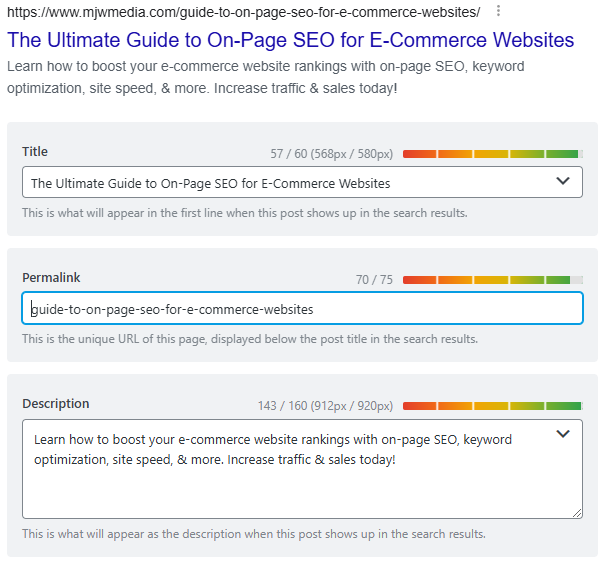
Meta titles and descriptions play a crucial role in improving your website’s click-through rate (CTR) and overall SEO performance. These elements act as the first impression of your product pages on search engine result pages (SERPs), influencing whether users will click on your link or move on to a competitor. Crafting compelling and optimized metadata can significantly boost organic traffic and drive more conversions.
Best Practices for Meta Titles:
- Keep It Concise: Title tags should be under 60 characters to ensure they are displayed properly in search results.
- Use Primary Keywords: Incorporate target keywords naturally to enhance relevance and improve rankings.
- Make It Compelling: Create a sense of urgency or highlight a unique selling point (e.g., “Limited Edition Sneakers – Free Shipping Today!”).
Best Practices for Meta Descriptions:
- Stay Within the Character Limit: Keep descriptions between 150-160 characters for optimal visibility.
- Encourage Action: Use persuasive language such as “Shop Now,” “Discover More,” or “Limited Time Offer.”
- Highlight Key Features: Summarize essential benefits, such as free shipping, discounts, or product quality.
Why Unique Metadata Matters:
Each product page should have a unique meta title and description to avoid duplicate content issues and enhance differentiation in search results. Customizing metadata helps attract the right audience and ensures that each page is indexed accurately by search engines.
4. SEO-Friendly URLs
Optimizing URLs is a fundamental aspect of on-page SEO for e-commerce websites. Search engines and users both prefer clean, structured, and descriptive URLs that accurately represent the content of the page. A well-crafted URL can improve click-through rates, enhance user experience, and contribute to better rankings.
This Guide to On-Page SEO will equip you with practical tips to improve your rankings and drive qualified traffic to your e-commerce store.
Best Practices for SEO-Friendly URLs:
- Short and Descriptive: Avoid lengthy, complex URLs that contain unnecessary characters, numbers, or dynamically generated strings. A concise URL improves readability and search engine crawlability.
- Include Keywords: Incorporate relevant keywords that describe the product or category. This helps search engines understand the page content and boosts rankings. Example:
yoursite.com/mens-running-shoesinstead ofyoursite.com/p=12345. - Hyphen-Separated Words: Use hyphens (
-) instead of underscores (_) to separate words in URLs. Search engines recognize hyphens as word dividers, making it easier to parse the URL correctly. - Avoid Stop Words: Words like “and,” “the,” or “of” add unnecessary length to URLs and should be omitted unless they are essential for clarity.
- Use Lowercase Letters: URLs are case-sensitive in some environments. Standardizing all URLs in lowercase prevents duplicate content issues and ensures consistency.
- Logical Structure: Maintain a hierarchy in URLs that reflects the site’s navigation. For instance,
yoursite.com/shoes/mens-running-shoesis more structured and informative thanyoursite.com/category123/item456.
Adopting the strategies from this Guide to On-Page SEO is essential for maximizing your visibility.
By following these best practices, e-commerce websites can create URL structures that are optimized for both search engines and users, leading to improved discoverability and better rankings.
5. Internal Linking Strategy
Internal linking is a crucial component of on-page SEO that enhances site structure, distributes link equity, and improves user engagement. By strategically linking related pages, you help search engines understand the relationships between different sections of your website while guiding users to relevant products and content.
Best Practices for Internal Linking:
- Breadcrumb Navigation for Easy Browsing – Breadcrumbs provide a hierarchical structure that allows users to backtrack to previous pages effortlessly. This improves usability and enhances SEO by establishing a clear site structure for search engines.
- Linking Related Products – Displaying related products encourages users to explore additional offerings, increasing time spent on your website and boosting conversions. Use sections like “You may also like” or “Customers also bought.”
- Category and Subcategory Links to Create Hierarchy – Organizing products into categories and subcategories with internal links enhances navigation and helps search engines categorize and index your pages more effectively.
- Contextual Internal Links in Product Descriptions and Blogs – Embed relevant internal links within product descriptions and blog content to direct users to complementary items, informative guides, or related categories.
- Use Descriptive Anchor Text – Instead of generic phrases like “click here,” use keyword-rich anchor text that clearly describes the linked page’s content, making it easier for search engines to understand the connection between pages.
By implementing a strong internal linking strategy, e-commerce sites can improve user experience, encourage deeper exploration, and enhance SEO performance.
This Guide to On-Page SEO will cover everything from keyword research to page speed optimization, providing you with the tools necessary for success.
6. Image Optimization
Images play a vital role in e-commerce websites by improving user experience, increasing engagement, and helping with conversions. However, large, unoptimized images can slow down site speed, negatively impacting SEO rankings and user satisfaction. Optimizing images ensures fast loading times, better search engine visibility, and an enhanced shopping experience for customers.
Best Practices for Image Optimization:
- Use Descriptive Alt Text with Keywords – Alt text helps search engines understand what an image represents. Use clear, keyword-rich descriptions to improve accessibility and rankings. Example: “Men’s waterproof hiking boots with anti-slip sole.”
- Compress Images Without Losing Quality – Large images increase load times. Use tools like TinyPNG, ShortPixel, or ImageOptim to compress images without compromising quality.
- Use WebP Format for Faster Loading Times – WebP images offer superior compression and quality compared to JPEG or PNG, reducing file sizes by up to 30% without loss in clarity.
- Optimize Thumbnails – Many e-commerce sites use thumbnails for product listings, which can slow down pages. Compress these images separately and use lazy loading to defer loading until necessary.
- Enable Lazy Loading – This technique loads images only when they are about to be viewed by the user, reducing initial page load times and improving performance.
- Use a Content Delivery Network (CDN) – A CDN distributes image files across multiple servers worldwide, ensuring faster loading times regardless of user location.
- Standardize Image Dimensions – Keep product images uniform in size and aspect ratio to maintain a consistent, professional appearance and reduce unnecessary resizing by the browser.
By implementing these image optimization techniques, e-commerce websites can improve site speed, enhance user experience, and boost their SEO rankings, ultimately leading to higher conversions and better search engine visibility.
The Guide to On-Page SEO emphasizes the importance of structured data in your strategy.
Guide to On-Page SEO shows how to maintain a competitive advantage.
7. Mobile Optimization
With mobile commerce on the rise, ensuring your e-commerce site is optimized for mobile users is no longer optional—it’s essential. Google prioritizes mobile-friendly websites in search rankings, and a poor mobile experience can lead to high bounce rates and lost sales. A well-optimized mobile site ensures that users can browse, search, and make purchases with ease, no matter what device they are using.
Best Practices for Mobile Optimization:
- Responsive and Fast-Loading Design – Your website should automatically adjust to different screen sizes and resolutions. Pages should load quickly to prevent users from abandoning their carts due to slow performance.
- Easy Navigation with Thumb-Friendly Buttons – Use large, easily clickable buttons and intuitive navigation menus to enhance the mobile shopping experience. Avoid small text links that can be difficult to tap.
- Optimize Images and Videos for Mobile – Compress images and videos to reduce load times while maintaining quality. Use adaptive image formats like WebP to improve performance.
- Simplified Checkout Process – Reduce the number of steps in the checkout process to make mobile purchases seamless. Enable autofill options and integrate mobile payment methods like Apple Pay and Google Pay.
- Test Across Multiple Devices – Use Google’s Mobile-Friendly Test and real device testing to ensure that your site functions properly on various smartphones and tablets.
By prioritizing mobile optimization, you can improve search rankings, enhance user experience, and increase conversions from mobile shoppers.
8. Page Load Speed
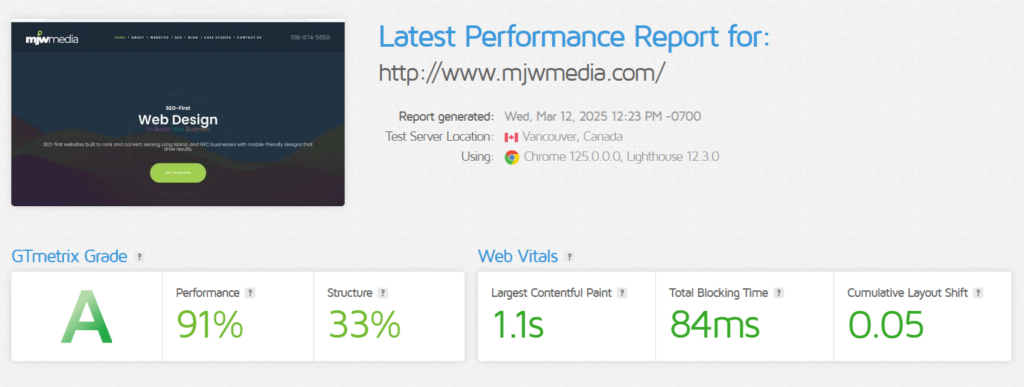
Site speed is a crucial ranking factor that directly impacts both user experience and search engine rankings. A slow-loading website leads to higher bounce rates, lower engagement, and lost sales. Search engines, particularly Google, prioritize fast-loading sites to enhance the browsing experience. To improve your e-commerce website’s load time, follow these best practices:
- Using a Fast Web Host – Choose a reliable hosting provider with high-speed servers, dedicated resources, and excellent uptime. Consider cloud-based hosting solutions for scalability and performance.
- Minimizing JavaScript and CSS Files – Reduce excessive code, remove unused scripts, and minify JavaScript and CSS files. Using asynchronous loading for scripts can prevent them from blocking page rendering.
- Implementing Lazy Loading for Images – Load images only when they are needed. This reduces initial page load times and improves performance, particularly on image-heavy e-commerce sites.
- Enabling Browser Caching and Content Delivery Networks (CDN) – Caching stores frequently accessed resources, reducing the need for repeated downloads. A CDN distributes content across multiple servers worldwide, improving speed by delivering data from the nearest location to the user.
- Optimizing Image Sizes – Compress images using tools like TinyPNG, ShortPixel, or WebP format to maintain quality while reducing file sizes.
- Reducing Redirects and Broken Links – Too many redirects can slow down your site. Audit and fix broken links or unnecessary redirect chains.
- Enabling Gzip Compression – Compressing files before sending them to users’ browsers significantly reduces file sizes and speeds up loading times.
This Guide to On-Page SEO outlines the importance of maintaining an adaptive optimization strategy.
By utilizing insights from this Guide to On-Page SEO, you can nurture customer relationships and improve retention.
By implementing these optimizations, your e-commerce site will not only rank higher in search results but also provide a better shopping experience, ultimately leading to increased conversions and customer satisfaction.
9. Schema Markup for Rich Snippets
Schema markup is a form of structured data that helps search engines understand the content of your website better. By implementing schema markup, you can enhance your search engine listings with rich snippets, making your e-commerce store stand out in search results. These enhanced listings can lead to higher click-through rates (CTR), better visibility, and ultimately more sales.
Benefits of Using Schema Markup:
- Improves search result appearance – Helps display additional details like product ratings, pricing, and stock availability.
- Increases CTR – Users are more likely to click on enhanced search results.
- Helps search engines understand content better – Makes it easier for Google to categorize and rank your pages accurately.
- Enhances voice search optimization – Structured data helps voice assistants deliver precise answers to user queries.
Key Schema Types for E-Commerce:
- Product ratings and reviews – Displays star ratings and customer feedback in search results, increasing trust and engagement.
- Price and availability – Shows current pricing, discounts, and stock levels, providing valuable information to shoppers before they even visit your site.
- Breadcrumb navigation – Improves website structure and allows users to navigate more efficiently by showing the hierarchy of product categories.
- FAQ schema – Enhances visibility for common customer questions by displaying answers directly in search results.
- Video and image schema – Helps showcase multimedia content, improving engagement and rankings.
How to Implement Schema Markup:
- Use Google’s Structured Data Markup Helper to generate schema code for your products.
- Validate your structured data using the Rich Results Test and Schema.org Validator.
- Implement schema markup manually using JSON-LD format or use plugins like Yoast SEO for WordPress-based stores.
By leveraging schema markup, e-commerce sites can enhance their visibility, provide better user experiences, and drive more conversions through richer search results.
Use Google’s Structured Data Markup Helper to implement schema markup correctly.
10. Customer Reviews and User-Generated Content
Customer reviews and user-generated content (UGC) play a significant role in e-commerce SEO and conversion optimization. Search engines and potential buyers trust real feedback from customers, making it a crucial factor in improving search rankings, credibility, and sales.
Benefits of Customer Reviews and UGC:
- Boosts SEO Rankings – Search engines prioritize fresh, relevant content. Customer reviews update your product pages regularly, signaling relevance to search engines.
- Increases Trust and Conversions – Consumers are more likely to buy when they see real experiences and testimonials from other buyers.
- Reduces Bounce Rates – Engaging UGC keeps visitors on your site longer, improving behavioral metrics that contribute to SEO.
- Enhances Social Proof – Positive customer feedback and shared experiences establish brand credibility and encourage more purchases.
How to Encourage and Utilize Customer Reviews:
- Enable Reviews on Product Pages – Make it easy for customers to leave reviews, rate products, and share their experiences.
- Incorporate Q&A Sections – Allow customers to ask and answer product-related questions to create a more interactive shopping experience.
- Leverage Social Media Integrations – Showcase user-generated photos, testimonials, and product experiences from Instagram, Facebook, and TikTok.
- Incentivize Reviews – Offer discounts, loyalty points, or special promotions for leaving detailed reviews and images.
- Highlight Top Reviews – Feature positive feedback on product pages to reassure potential buyers.
By integrating customer reviews and user-generated content effectively, e-commerce websites can improve trust, boost SEO rankings, and drive higher engagement and conversions.
11. Secure and Trustworthy Website (HTTPS)
Website security is a fundamental component of e-commerce SEO, as search engines and users prioritize sites that protect personal and financial information. Google has explicitly stated that HTTPS is a ranking factor, meaning a secure website can directly impact search visibility and user trust.
Best Practices for Website Security:
- Use SSL Certificates (HTTPS) – Implementing HTTPS encrypts data between the user’s browser and your website, preventing cyber threats like hacking and data theft. Ensure your SSL certificate is up to date and properly configured.
- Display Trust Badges – Reinforce customer confidence by adding security certifications, payment verification badges (e.g., “100% Secure Checkout,” “Verified by Visa”), and third-party trust seals from providers like Norton, McAfee, or Trustpilot.
- Implement Strong Authentication Protocols – Enable two-factor authentication (2FA) for admin logins and customer accounts to prevent unauthorized access.
- Secure Payment Processing – Use reputable payment gateways like PayPal, Stripe, or Authorize.net, which offer built-in security features for safe transactions.
- Clear Return and Refund Policies – Transparent return, refund, and privacy policies build trust and reduce purchase hesitation.
- Regular Security Audits – Conduct periodic security checks and vulnerability assessments to identify and fix potential risks before they impact user experience.
- Enable Automatic Security Updates – Keep your website’s CMS, plugins, and extensions updated to prevent vulnerabilities that hackers could exploit.
By implementing these security measures, e-commerce websites can enhance SEO rankings, foster consumer confidence, and reduce the risk of security breaches that could negatively impact reputation and revenue.
Advanced On-Page SEO Strategies
To stay ahead in the competitive e-commerce space, businesses must go beyond the basics and implement advanced on-page SEO techniques. These strategies not only enhance search visibility but also improve user engagement, brand credibility, and long-term profitability. Advanced on-page SEO involves leveraging in-depth content marketing, structured data, voice search optimization, and social media integration to create a holistic and sustainable online presence. Below are key strategies to take your e-commerce SEO to the next level:
12. Content Marketing for E-Commerce
Content marketing is a powerful tool for e-commerce businesses, not only for driving organic traffic but also for establishing brand authority, educating customers, and boosting conversions. Creating high-quality, engaging content tailored to your audience’s needs can set your store apart from competitors while improving search engine rankings.
Types of High-Value Content for E-Commerce:
- Buying Guides – Detailed guides help customers make informed purchasing decisions by comparing products, explaining features, and addressing common concerns. Example: “How to Choose the Best Running Shoes for Different Terrains.”
- Comparison Articles – Compare competing products, brands, or versions to highlight pros and cons, guiding customers toward the best choice. Example: “Nike vs. Adidas: Which Running Shoe Offers Better Support?”
- How-To Articles – Offer step-by-step guides on product usage, maintenance, and best practices to enhance customer experience. Example: “How to Properly Care for Leather Handbags to Extend Their Lifespan.”
- Video Content – Create product demos, unboxing videos, tutorials, and customer testimonials to engage visual learners and enhance trust. Videos can be repurposed for YouTube, social media, and product pages.
- User-Generated Content – Encourage customers to share their experiences, reviews, and photos of products in use. This authentic content boosts credibility and engagement.
- Seasonal and Trend-Based Content – Capitalize on trends and seasonal events to create timely, relevant content. Example: “Top 10 Summer Fashion Trends for 2024.”
By leveraging a strategic mix of content types, e-commerce businesses can attract more traffic, engage their audience, and drive higher conversions, all while reinforcing their brand authority in the market.
13. Optimizing for Voice Search
Voice search is becoming an essential component of SEO, with more consumers using smart speakers and voice assistants like Google Assistant, Siri, and Alexa to search for products online. To capture this growing segment, businesses must optimize their e-commerce websites for voice search queries, which differ significantly from traditional text-based searches.
Key Strategies for Voice Search Optimization:
- Use Conversational Keywords and Long-Tail Phrases – Voice searches are often phrased as complete questions or natural sentences. Instead of optimizing for “waterproof boots sale,” use “Where can I buy waterproof boots on sale near me?”
- Optimize for Featured Snippets – Many voice search results come from Google’s featured snippets. Structure content using clear, concise answers in bullet points or FAQ sections to increase your chances of being selected.
- Create FAQ Pages with Natural Language Queries – Voice search users frequently ask specific questions. Develop content that directly answers common customer inquiries in a conversational tone.
- Focus on Local SEO – Many voice searches have local intent (e.g., “best shoe store near me”). Ensure your business listings are updated on Google My Business and include location-based keywords.
- Ensure Fast-Loading Mobile Pages – Voice searches are often performed on mobile devices. A fast, mobile-optimized site with a streamlined UX improves voice search rankings.
- Use Structured Data Markup – Schema markup helps search engines understand your content better and increases the chances of appearing in voice search results.
By optimizing for voice search, e-commerce businesses can stay ahead of changing search behaviors and improve their visibility in this rapidly growing market.
14. Social Media Integration
Social media plays a vital role in e-commerce SEO and digital marketing. While social signals (likes, shares, and comments) do not directly impact search engine rankings, they significantly contribute to brand awareness, traffic generation, and customer engagement. By integrating social media with your e-commerce website, you create multiple avenues for users to discover, share, and interact with your products, ultimately driving more organic traffic and sales.
Best Practices for Social Media Integration:
- Social Sharing Buttons on Product Pages – Make it easy for customers to share products they love on platforms like Facebook, Twitter, and Pinterest. This increases visibility and brings in potential buyers.
- Integration with Instagram, Pinterest, and Facebook Shops – Connect your store to social media marketplaces to allow customers to browse and purchase directly from social platforms.
- Encouragement for Users to Share Purchases – Offer incentives such as discounts or rewards for customers who share their purchases or post reviews on social media.
- Embedding Social Feeds on Your Website – Display user-generated content, customer testimonials, and brand updates to create a more engaging experience.
- Using Social Proof and Influencer Marketing – Collaborate with influencers and encourage customers to share photos and reviews to build trust and credibility.
By leveraging social media effectively, e-commerce businesses can improve brand exposure, generate more referral traffic, and enhance customer loyalty, ultimately leading to increased conversions and revenue.
15. Monitoring and Improving Performance
Consistently tracking and refining your SEO strategy is crucial for maintaining and improving search rankings. Monitoring performance metrics allows you to identify what’s working, address potential issues, and stay ahead of competitors. By leveraging the right analytics tools, you can make data-driven decisions that enhance user experience, increase traffic, and boost conversions.
Key SEO Monitoring Tools and Their Benefits:
- Google Search Console – Provides insights into keyword rankings, indexation issues, crawl errors, and mobile usability reports. Helps in fixing technical SEO issues and optimizing search performance.
- Google Analytics – Tracks organic traffic, user behavior, bounce rates, and conversion metrics. Enables data-driven content and marketing decisions.
- Ahrefs or SEMrush – Offers backlink analysis, competitor keyword tracking, and site audits to uncover opportunities for improvement.
- PageSpeed Insights – Analyzes website speed and provides actionable recommendations to optimize page load times and improve user experience.
- Heatmaps and Session Recordings (Hotjar, Crazy Egg) – Helps understand user interactions, identifying friction points that may affect conversions.
- A/B Testing Tools (Google Optimize, Optimizely) – Allows testing of different page elements, such as CTAs and layouts, to determine the most effective version for SEO and user engagement.
By regularly analyzing SEO performance and making necessary optimizations, e-commerce businesses can sustain long-term growth, adapt to search engine updates, and enhance the overall shopping experience.
Frequently Asked Questions
What is on-page SEO for e-commerce?
On-page SEO involves optimizing individual pages of an e-commerce website to improve rankings and user experience.
How do I find the best keywords for my online store?
Use tools like Google Keyword Planner, Ahrefs, and SEMrush to find relevant keywords with high search volume and low competition.
Why is mobile optimization important for e-commerce SEO?
Most online shoppers use mobile devices, and Google prioritizes mobile-friendly sites in search rankings.
How can I speed up my e-commerce website?
Optimize images, use a content delivery network (CDN), minimize JavaScript, and enable browser caching.
What are rich snippets, and how do they help SEO?
Rich snippets display extra information like ratings and prices in search results, improving CTR.
Should I use manufacturer product descriptions?
No, create unique descriptions to improve SEO and user engagement.
How does HTTPS affect SEO?
Google favors secure websites, and HTTPS improves trust and rankings.
What is schema markup?
It’s structured data that helps search engines understand and display content better in results.
How often should I update my product pages?
Regularly update for accuracy, pricing, and SEO improvements.
Can social media impact my e-commerce SEO?
Yes, social signals can enhance brand visibility and drive traffic.
Elevate Your E-Commerce SEO for Long-Term Success
Optimizing on-page SEO for your e-commerce website is a continuous process that requires attention to detail, regular updates, and a strong focus on user experience. By implementing the strategies outlined in this guide—ranging from keyword research and structured data to mobile optimization and page speed improvements—you can enhance your site’s visibility, attract more organic traffic, and ultimately increase conversions.
Success in e-commerce SEO doesn’t happen overnight, but by consistently refining your approach, monitoring performance metrics, and staying ahead of industry trends, your online store will be well-positioned to outperform competitors and sustain long-term growth.
Need Expert Help with Your E-Commerce SEO?
The Guide to On-Page SEO is filled with actionable insights for immediate implementation.
If you’re looking for professional SEO services to optimize your e-commerce website, MJW Media specializes in SEO-first web design and digital marketing strategies. Contact us today to take your online store to the next level!