
Stop Managing AI Projects. Start Using Integrated AI Systems.
Most AI projects fail because they’re built outside the systems that run your business. We build inside them.
Your team spends hours on data entry, manual routing, and repetitive tasks. Meanwhile, your competitors are quietly automating these processes with AI business integrations that are giving their teams hours back every week.
We architect integrations using secure APIs, automation frameworks, and AI retrieval systems designed for production environments.
The difference? They’re not treating AI like a separate tool. They’re wiring it directly into their business systems.
What Are AI Business Integrations?
AI business integrations connect artificial intelligence directly to your existing software stack. Your CRM, ERP, email systems, and databases become AI-enhanced without replacing anything.
Real example: In one recent project, a Long Island law firm automated their document intake process. New contracts automatically get analyzed, key terms extracted, and case data populated in their practice management system. No human touch required until review.
The result? Approximately 15 hours per week of paralegal time redirected to billable work.
The MJW Integration Approach
We don’t build AI for AI’s sake. We build AI systems that connect to what you already use.
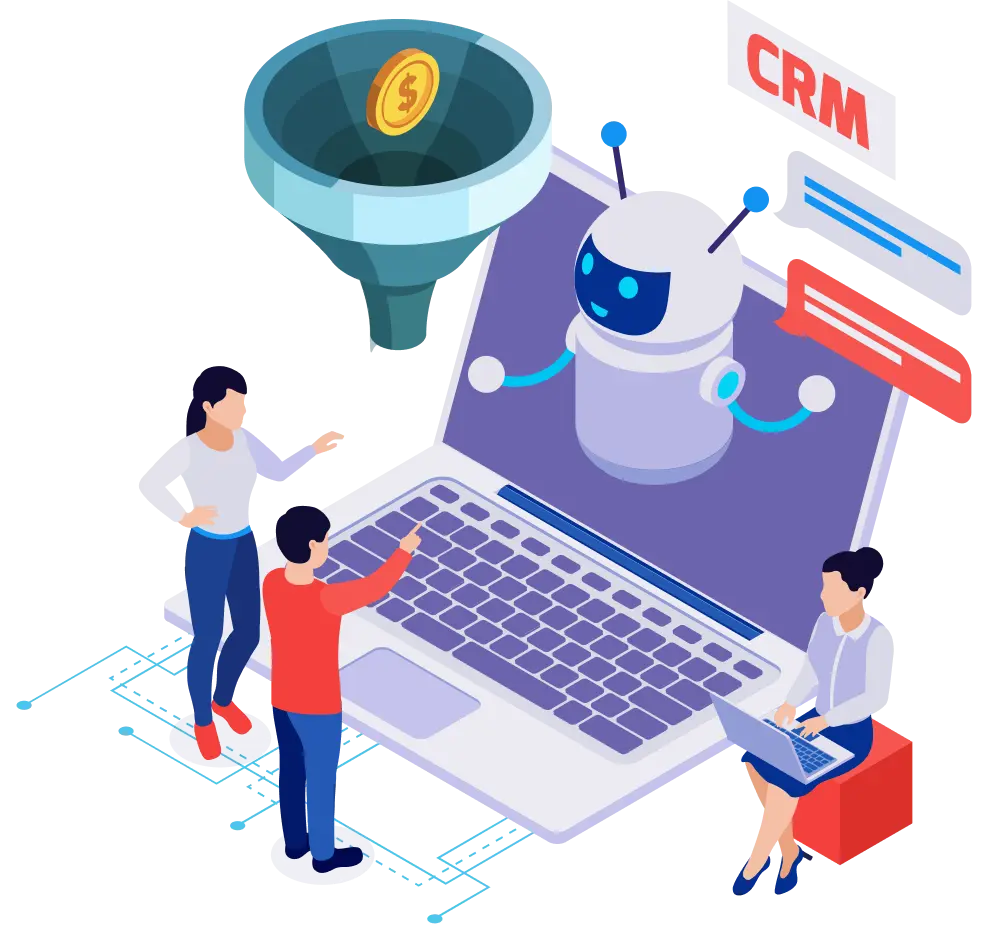
CRM Integration
Your sales pipeline becomes AI-powered. Instead of guessing which leads convert, your CRM starts predicting deal likelihood based on actual behavior patterns. Follow-ups schedule themselves when prospects engage. Pipeline forecasts become reliable because they’re based on conversation data, not wishful thinking.
Lead scoring happens automatically using historical data and behavior patterns, while deal risk assessment uses conversation analysis to flag potential problems early. Pipeline forecasting delivers actual accuracy because it reads real engagement signals, not gut feelings — creating a unified intelligence layer across your entire sales process.
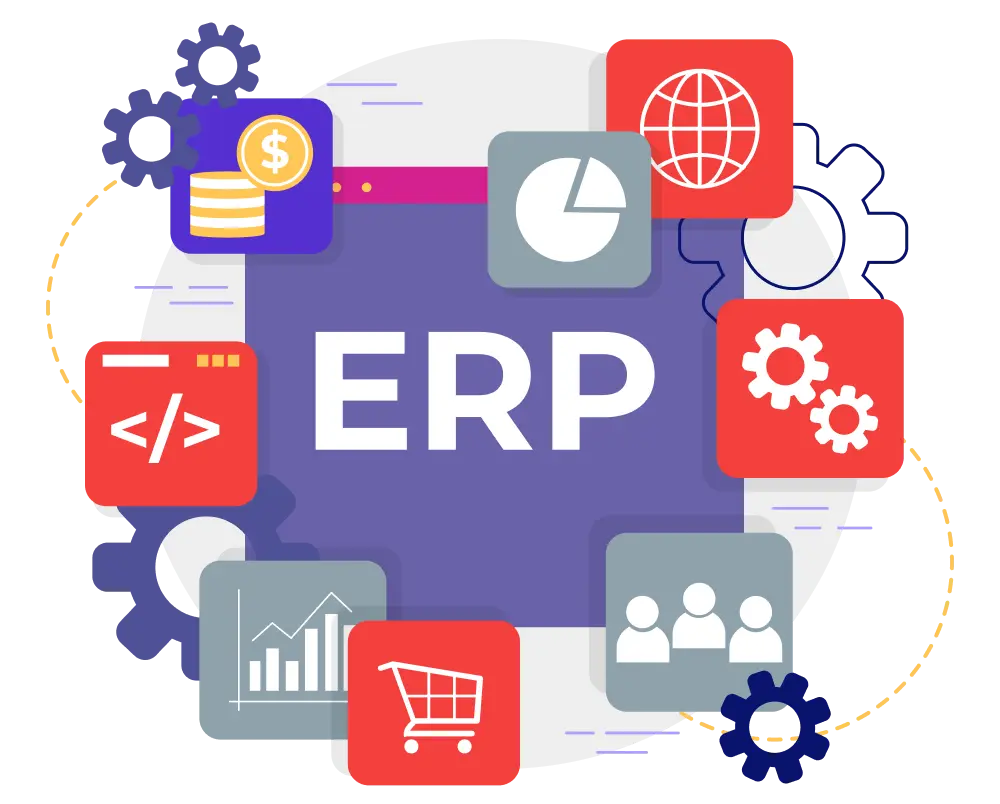
ERP System Enhancement
Your ERP already holds your operational truth. AI integration services layer intelligence on top of it — forecasting demand, flagging anomalies, and automating purchase decisions before stockouts occur.
Purchase orders trigger themselves when AI spots demand signals. Supplier risk monitoring pulls from multiple sources to warn you before delivery problems hit your production schedule. Inventory prediction prevents both stockouts and overstock situations while cost optimization recommendations use spend analysis to identify savings opportunities.
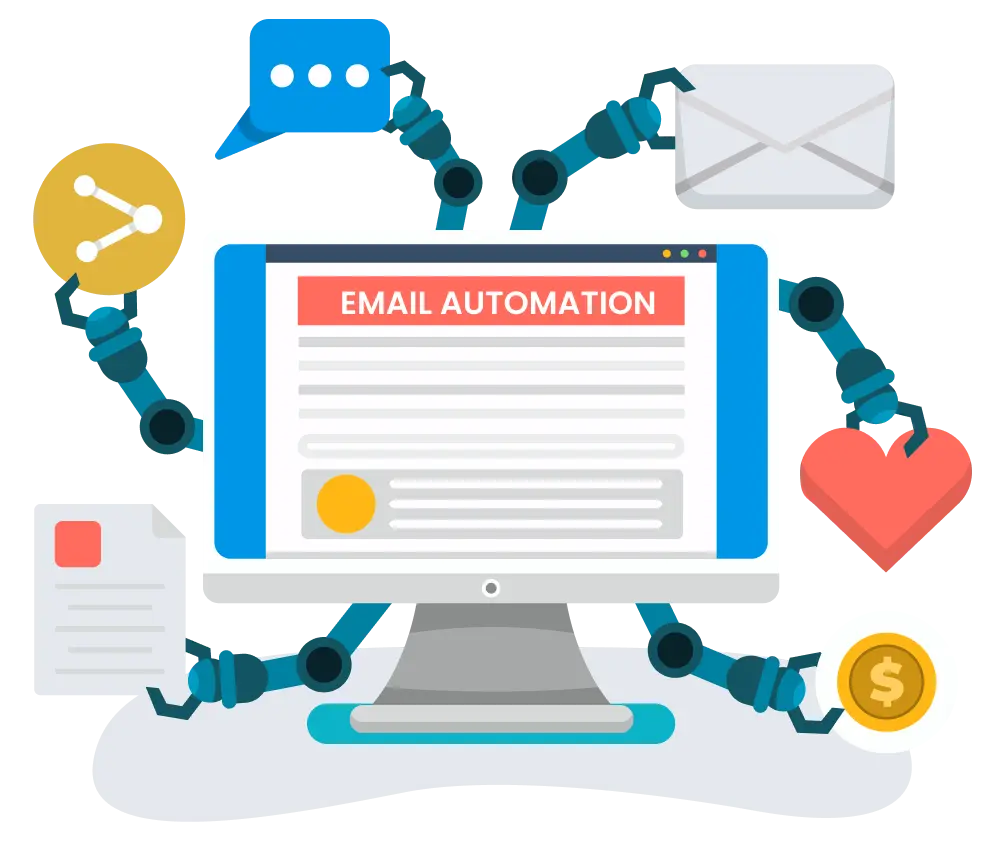
Email and Communication Automation
Business correspondence gets intelligent without losing your voice. Common inquiries get drafted responses that sound like your team wrote them. Meeting recordings become searchable summaries with action items extracted automatically.
Email gets smarter: Automatic categorization and routing to appropriate teams. Response drafting for common inquiries maintains your voice and tone. Meeting intelligence generates summaries with action items extracted automatically. Customer sentiment analysis from support interactions flags issues before they escalate.
Workflow Automation
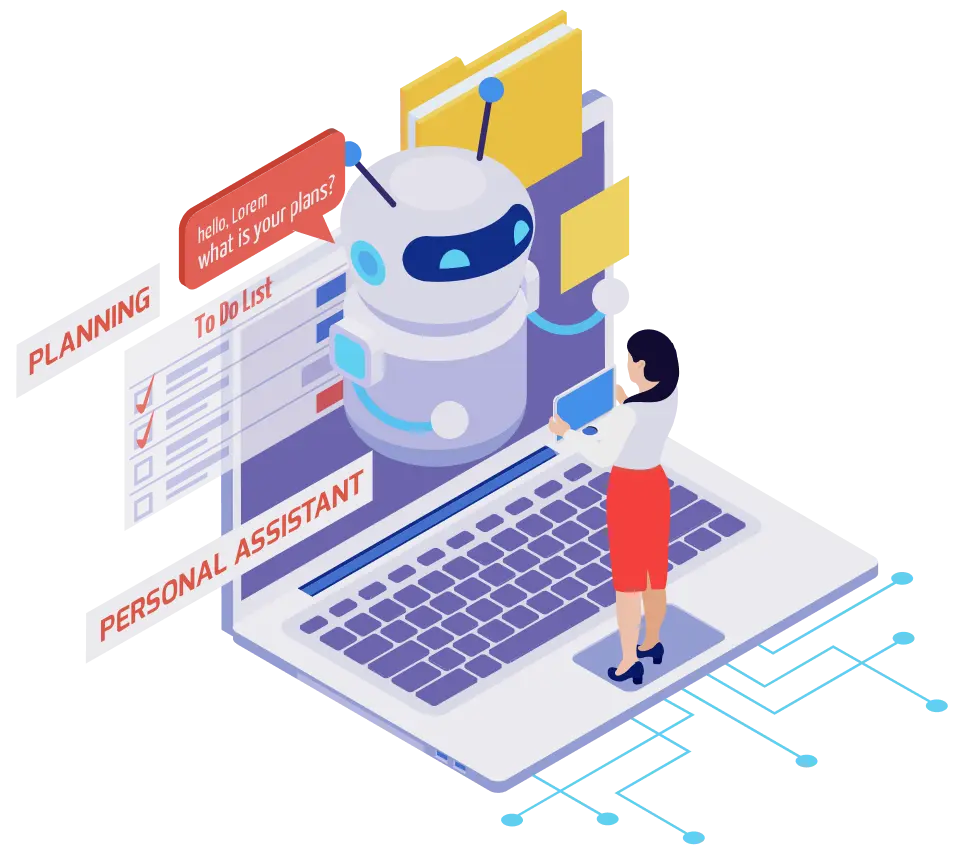
Manual processes become streamlined operations. Invoices flow from receipt to approval to payment without human routing. Compliance checking happens automatically across documents and transactions. Report generation pulls from multiple systems without manual data gathering.
Quality control monitoring works across production data in real-time. AI workflow automation eliminates bottlenecks while maintaining accuracy and compliance standards.
Private AI Knowledge Systems
Your internal documents, contracts, SOPs, policies, and data become searchable via AI — securely and privately. No more hunting through file systems or asking “who handled this last year?” Your knowledge base becomes instantly accessible through natural language queries.
Not sure where to start? Schedule a free system review and we’ll identify your highest-ROI integration opportunity.
Why Long Island Businesses Choose Our Integration Services
AI isn’t one-size-fits-all. How it applies depends entirely on your industry, your operations, and your objectives. Here’s where we see the most impact:
No Vendor Lock-In
We integrate with your existing systems. Salesforce, HubSpot, QuickBooks, Microsoft 365, Google Workspace, custom databases — we connect to what you use.
Gradual Implementation.
Start with one process. Prove the value. Expand systematically. No big-bang disruptions that paralyze operations while everyone learns new systems.
Local Support.
Nassau and Suffolk County businesses get on-site consultation and training. Your team learns the system instead of depending on vendors for every adjustment.
ROI Focus.
Every integration includes measurement. Time saved, errors reduced, revenue increased — we track what matters to your bottom line.
Integration Technologies
Legal Firms
Document management automation transforms how contracts, pleadings, and correspondence get processed. Everything gets automatically categorized, tagged, and routed while key information extracts directly into case management systems. Billable time optimization tracks time across applications, suggests billing categories, and identifies undercharged activities without manual timekeeping.
Medical Practices
Patient intake automation processes forms, verifies insurance, and optimizes appointment scheduling based on provider availability and patient needs. Claims processing acceleration reviews submissions for completeness, flags potential issues, and routes for appropriate review before rejection.
Manufacturing Companies
Supply chain intelligence provides real-time monitoring of supplier reliability, price fluctuations, and delivery performance integrated directly with procurement systems. Quality control automation analyzes production data to identify patterns before defects occur, automatically adjusting processes when possible.
Professional Services
Project management enhancement automates time tracking, resource allocation, and client communication across project management platforms. Proposal generation combines past proposals, client requirements, and pricing data to create accurate estimates in minutes instead of hours.
Implementation Process

System Assessment (Week 1)
We audit your current software stack, data flows, and manual processes. Identify the highest-impact AI CRM integration and AI ERP integration opportunities.
Pilot Integration (Weeks 2-4)
Deploy one strategic integration. Test, refine, measure results. Establish the pattern for future projects.
Systematic Expansion (Months 2-6)
Expand integrations based on proven ROI. Train your team on each system. Document processes for consistency.
Optimization (Ongoing)
Monitor performance, adjust parameters, and expand capabilities. Your system integration improves as your business grows.
Security and Compliance Considerations
Data Protection.
AI workflow automation includes encryption, access controls, and audit trails. HIPAA, SOX, and industry compliance maintained throughout all integrations.
System Reliability.
Redundancy and failover procedures prevent business disruption. Your operations continue even during maintenance windows.
Access Management.
Role-based permissions ensure team members see only relevant data. Administrative controls prevent unauthorized changes to critical systems.
ROI Measurement and Reporting
Efficiency Metrics: Time saved per process, error reduction percentages, throughput improvements across all integrated systems.
Financial Impact: Direct cost savings, revenue opportunities identified, operational cost reductions that flow straight to the bottom line.
User Adoption: Training completion rates, system usage patterns, satisfaction scores from team members using the integrated systems.
Business Intelligence: Custom dashboards showing AI business integrations performance across all connected systems with real-time analytics.
Getting Started
- Initial Consultation: 60-minute assessment of your current systems and integration opportunities.
- Pilot Project Proposal: Specific recommendation with timeline, cost, and expected ROI based on your actual systems and processes.
- Implementation Planning: Detailed roadmap for expanding integrations across your organization without disrupting current operations.
- Team Training: Hands-on education ensuring your staff maximizes system value without depending on outside support for daily operations.
Frequently Asked Questions
A: Pilot integrations typically complete in 2-4 weeks. Full system integration projects range from 2-6 months depending on complexity and scope.
Timelines vary based on complexity, but most projects range from a few weeks for focused tools to several months for larger platforms. We provide clear milestones and timelines before development begins.
Timelines vary based on complexity, but most projects range from a few weeks for focused tools to several months for larger platforms. We provide clear milestones and timelines before development begins.
Timelines vary based on complexity, but most projects range from a few weeks for focused tools to several months for larger platforms. We provide clear milestones and timelines before development begins.
Timelines vary based on complexity, but most projects range from a few weeks for focused tools to several months for larger platforms. We provide clear milestones and timelines before development begins.
Timelines vary based on complexity, but most projects range from a few weeks for focused tools to several months for larger platforms. We provide clear milestones and timelines before development begins.
You Don't Need a Full AI Transformation
You need one integration that saves time this quarter.
Your competitors aren’t waiting for AI to become more mature. They’re implementing practical AI business integrations that save time and money today.
Schedule a 60-minute system review and find out where AI can eliminate manual work — this quarter.